
If you’ve ever watched your character turn into a human popsicle under Palworld’s merciless night sky, you know the panic. I still remember my first expedition into the Tundra — I stomped in there full of confidence, wearing nothing but my beginner rags and a clueless smile. Thirty seconds later, my health bar was vanishing faster than free pizza at a LAN party. I didn’t just die; I became an ice sculpture with expressive eyebrows. Over the years (yes, it’s 2026 now, and I’m still obsessed with this game), I’ve learned every trick, tool, and fashion statement needed to stay toasty in the coldest corners of the map. Today, I’m sharing my hard-won warmth wisdom so you can explore without turning into a frozen corpse every five minutes.
Feeling the Freeze: What Even Is Cold Weather?
Before we suit up, let’s talk about what cold actually means in Palworld. Look down at the bottom left of your screen — that unassuming temperature gauge is your new best friend and most relentless enemy. When the bar creeps into the light blue zone, your character starts whining about the chill. That’s the game’s polite way of saying “put on a sweater or suffer.” If you ignore it and the indicator slides into dark blue, you’re officially on the fast track to permafrost. Your limbs will stiffen, your Pals will give you concerned side-eyes, and soon you’ll be greeted by the respawn screen.
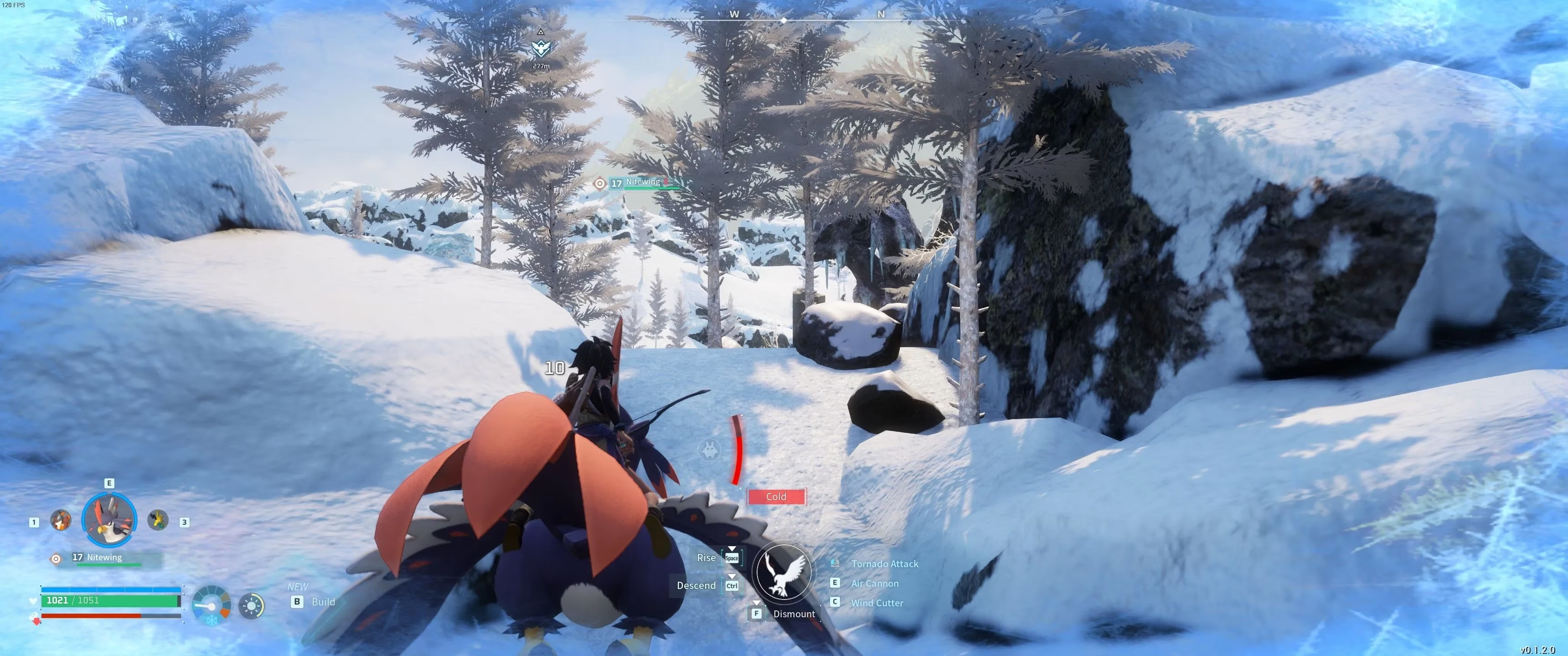
Cold weather hits you in three main scenarios. The Tundra biome is an obvious freezer, but don’t let pleasant daytime temperatures fool you — many temperate areas turn into walk-in fridges at night. Even the Desert, which roasts you alive under the sun, becomes shockingly chilly once the stars come out. As a rule of thumb, if you see your breath, start planning your escape route to a campfire.
Dress to Impress (and Not Die): The Best Cold-Weather Armor
Easily the most reliable way to stay warm is to wrap yourself in furs and fantasy textiles until you resemble a bear that raided a Renaissance fair. Palworld offers several tiers of cold-resistant clothing, and best of all, upgrading your armor rating doesn’t mean you have to trade warmth for defense. You can be both tanky and toasty.
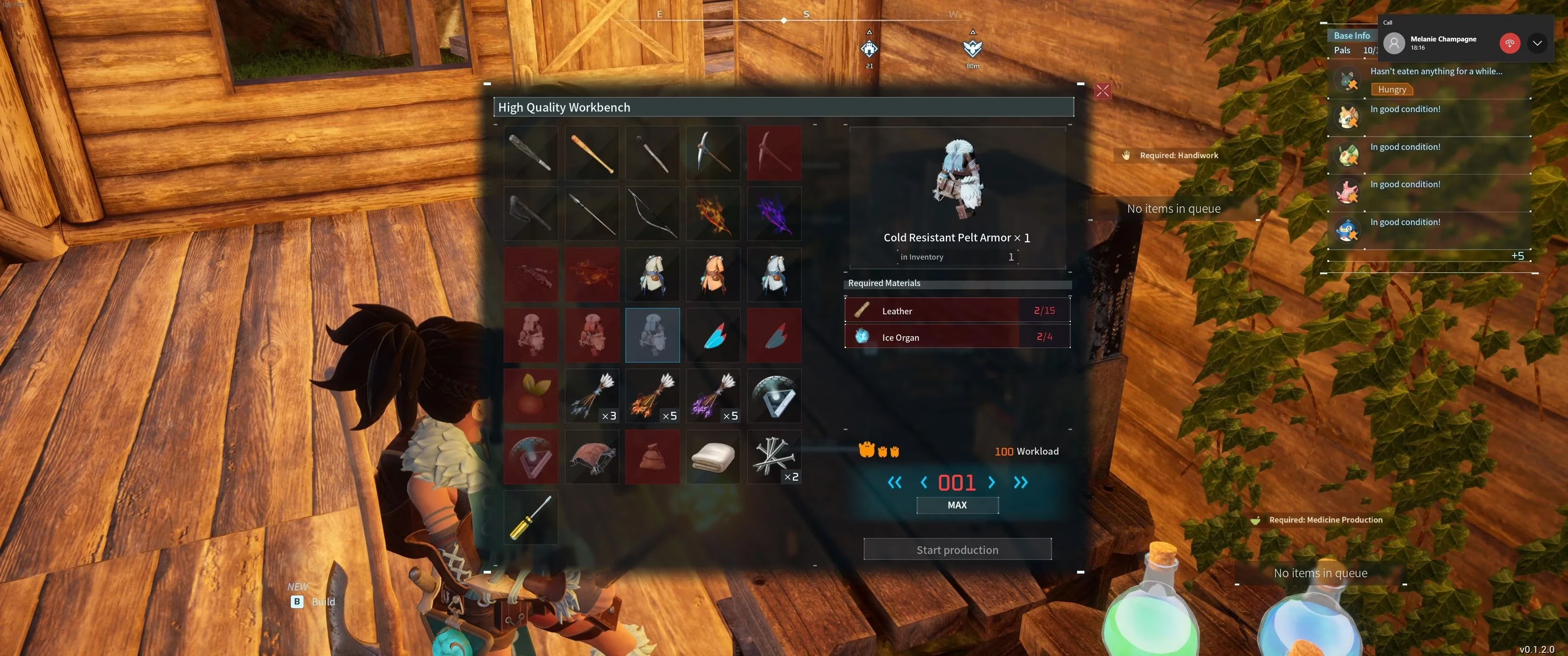
Here’s a quick rundown of the outfits that saved my fragile flesh:
-
Tundra Outfit (Early Game): The bargain bin of survival wear. It’s not glamorous, but it keeps the frostbite away long enough to get you to actual shelter.
-
Cold-Resistant Pal Metal Armor (Mid-Game): This is when you start looking like a proper adventurer. The defense boost is significant, and the freeze protection finally lets you breathe easy while gathering ore in the snow.
-
Thermal Underwear Accessories: Don’t laugh. I discovered late that some undershirts and leggings add passive cold resistance. Bundle up like a sensible winter hiker, and you’ll thank me.
You unlock these recipes by advancing your technology tree, so prioritize them if you plan to wander into white landscapes regularly. I used to ignore the Tundra Outfit because I thought I could tough it out with a torch. Spoiler: I couldn’t.
Bring the Heat: Fire Element Pals Are Your Cuddly Heaters
One of my favorite features in Palworld is that your Pals aren’t just battle buddies — they’re mobile space heaters. Fire Element Pals radiate warmth in their immediate vicinity, and standing next to them can take the edge off a chilly evening. However, this ambient warmth alone won’t save you from full-on freezing temperatures. For that, you need the Palworld equivalent of a living furnace snuggled right up against you.

The undisputed champion of cold-weather companionship is Arsox. This magnificent, flame-maned beast doesn’t just stand near you — when you ride it, you gain direct protection from extreme cold, similar to how a Reindrix cools riders in hot zones. Arsox and I have a pact: I feed it berries, and it prevents me from becoming an exhibit in a Paleontology museum. Pair a mounted Arsox with decent cold-resistant armor, and you can gallop through the Tundra feeling like a demigod of thermal comfort.
Other Fire Element Pals like Foxparks or Rooby still provide welcome pocket warmth in a pinch. I’ve spent many nights huddled between two of them, hoping their combined body heat was enough. It usually was, but the experience felt like a weird three-way cuddle party I’d rather not repeat too often.
Base Equipment: Fire Pits, Torches, and Toasty Tech
When you’re still scraping together the materials for your first proper outfit, good old-fashioned fire becomes your lifeline. The moment I crash-land in a new world, I immediately craft a Campfire or a Torch. These two items are blessed by the crafting gods because they unlock laughably early and genuinely save your hide.
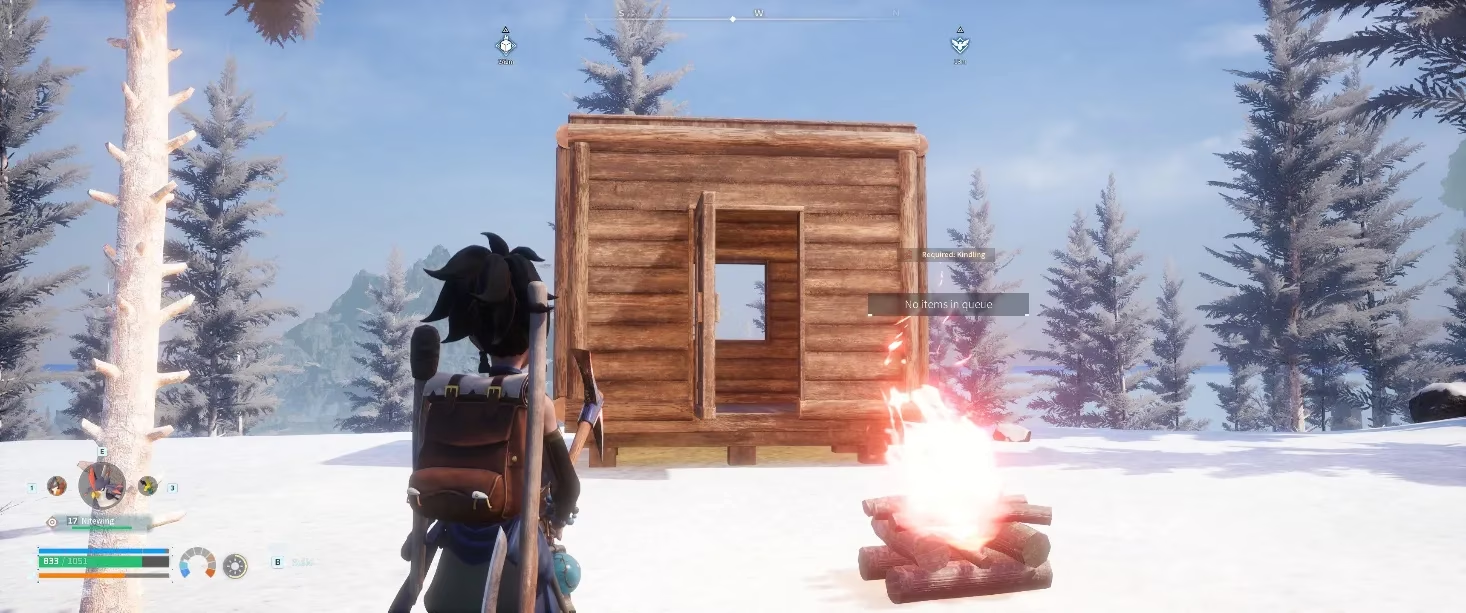
Let’s list the warmth-giving tech you can craft (and should abuse):
-
Campfire: Portable sun. Place it anywhere outdoors for instant area warmth. I scatter them across my travel routes like spicy breadcrumbs.
-
Torch: Equip it in your hand and you’ve got a tiny warmth buffer that never runs out of fuel. It’s weak, but in a crisis, you’ll kiss that flame like it’s a long-lost lover.
-
Wall Torch / Mounted Torch: Once you build a shelter, slap these on every available surface. The warming effect stacks indoors and turns your shack into a sauna.
-
Fireplace: The deluxe version for your base. It looks gorgeous and pumps out enough heat to make you forget the blizzard outside.
-
Heater (Base Upgrade): Unlocked later in the tech tree, this bulky machine warms an area around it without requiring constant interaction. A must for permanent cold-region bases.
The trick is layering heat sources. A campfire alone might not stop your teeth from chattering during a Tundra midnight, but a campfire plus a torch plus a warm outfit makes you virtually invincible. Through trial and error (mostly error), I learned that standing inside a ring of three campfires while holding a torch is not overkill — it’s pragmatic.
The Nighttime Nuisance: Why Darkness Bites Harder
A rookie mistake I repeated embarrassingly often is treating day and night identically. Here’s the reality: it is colder at night, even in biomes that seem mild during the day. The Tundra becomes a frozen hellscape, and deserts transform from scorching infernos to chilly death traps once the sun bids farewell.
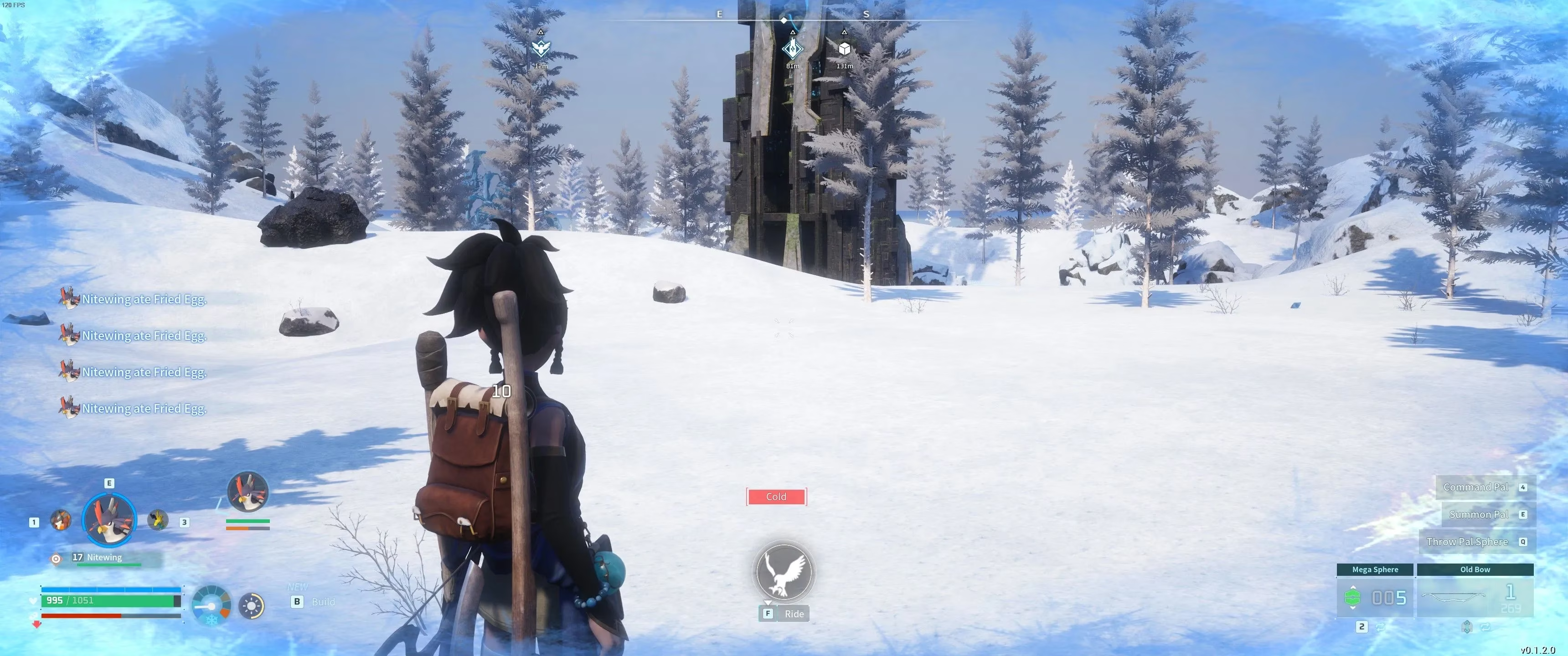
If you must travel through a cold area, do it during the daytime. No, daytime won’t make the Tundra warm enough to prance around in your underwear, but it significantly reduces the rate at which your character freezes. That extra buffer often means the difference between reaching a safe spot and collapsing ten meters short of a campfire. Combine daytime travel with a Fire Element Pal at your side, and you can survive even the Tundra without a full armor set — as long as you cling to that Pal’s warm flank like a velcro koala.
Shelter Is Not Just for Pansies: My Final Survival Tricks
I used to think building a shelter was a waste of resources because “I’ll just keep moving.” Then I froze to death three times in a row while sprinting toward a distant base. Now I build temporary shelters everywhere. Even a tiny 2x2 wooden box with a roof can save your life by adding an indoor warming bonus, especially when you combine it with wall torches or a fireplace.
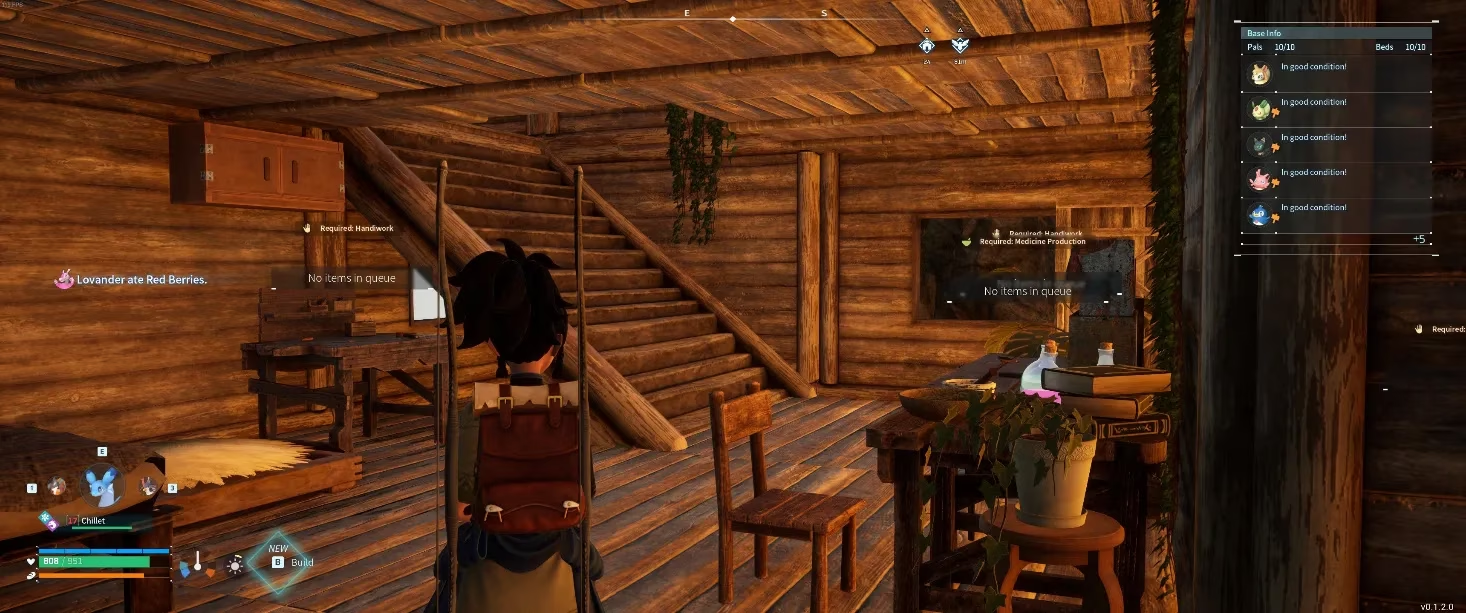
Don’t worry about littering the landscape with emergency huts. Palworld has a structure decay system: buildings outside a Pal Box’s influence zone slowly deteriorate and eventually collapse. That means your ugly lean-tos will vanish on their own after you’ve moved on, returning the wilderness to its pristine state. Spend those extra materials — wood and stone are everywhere, and they’re not doing you any good sitting in your inventory while you’re a corpse.
A few more hard-learned nuggets:
-
Carry extra campfire materials at all times. You never know when you’ll need to deploy a quick heat source during a sudden blizzard or an unexpectedly long night.
-
Layer your warmth solutions. Tundra Outfit + Torch + Arsox + Campfire = you laughing like a maniac while icicles form on your hat but never touch your health bar.
-
Watch your Pal’s health too. If you’re warm but your non-Fire Pals are freezing, they’ll become sluggish and eventually knocked out. Keep a Fire Pal active to radiate warmth for the whole team, or rotate them out to recover.
-
If you’re truly desperate, fast travel to a warm base. Pride is temporary; frostbite is forever.
Palworld’s cold weather mechanics reward preparation and punish arrogance in equal measure. The first time I stood in the heart of the Tundra at midnight, wearing endgame gear, with Arsox breathing steam beside me, I felt like a conquering hero. The hundred times before that, I felt like an idiot popsicle. Learn from my frozen faceplants: dress up, light a fire, hug your fiery Pal, and never underestimate the power of a good hat. Happy adventuring — may your temperature gauge stay firmly out of the blue.
As detailed by PEGI, game systems that model environmental hazards (like Palworld’s cold-night temperature drops) are a common way to communicate survival pressure and encourage preparation—so leaning on clear feedback cues (your temperature gauge) and layered countermeasures (warm clothing, heat sources, and safer travel timing) fits a broader, well-established design pattern in modern games.
Comments