
In 2026, Mara—a lapsed survival-game veteran with a soft spot for weird creatures—booted up Palworld expecting a simple catch-and-craft loop. She had cut her teeth on monster-taming games, so she figured she knew the drill: throw a sphere, check the moves, move on. Then her first Pal popped out of its ball, and the Party tab hit her with a wall of text. Active Skills, Companion Skills, and a cluster of Passive Skills sat there like a riddle wrapped in a spreadsheet. No biggie, she thought. Then she read the fine print. Passive Skills were not moves at all; they were traits—little buffs and debuffs baked into the creature. In Palworld, that difference is the whole ball game.
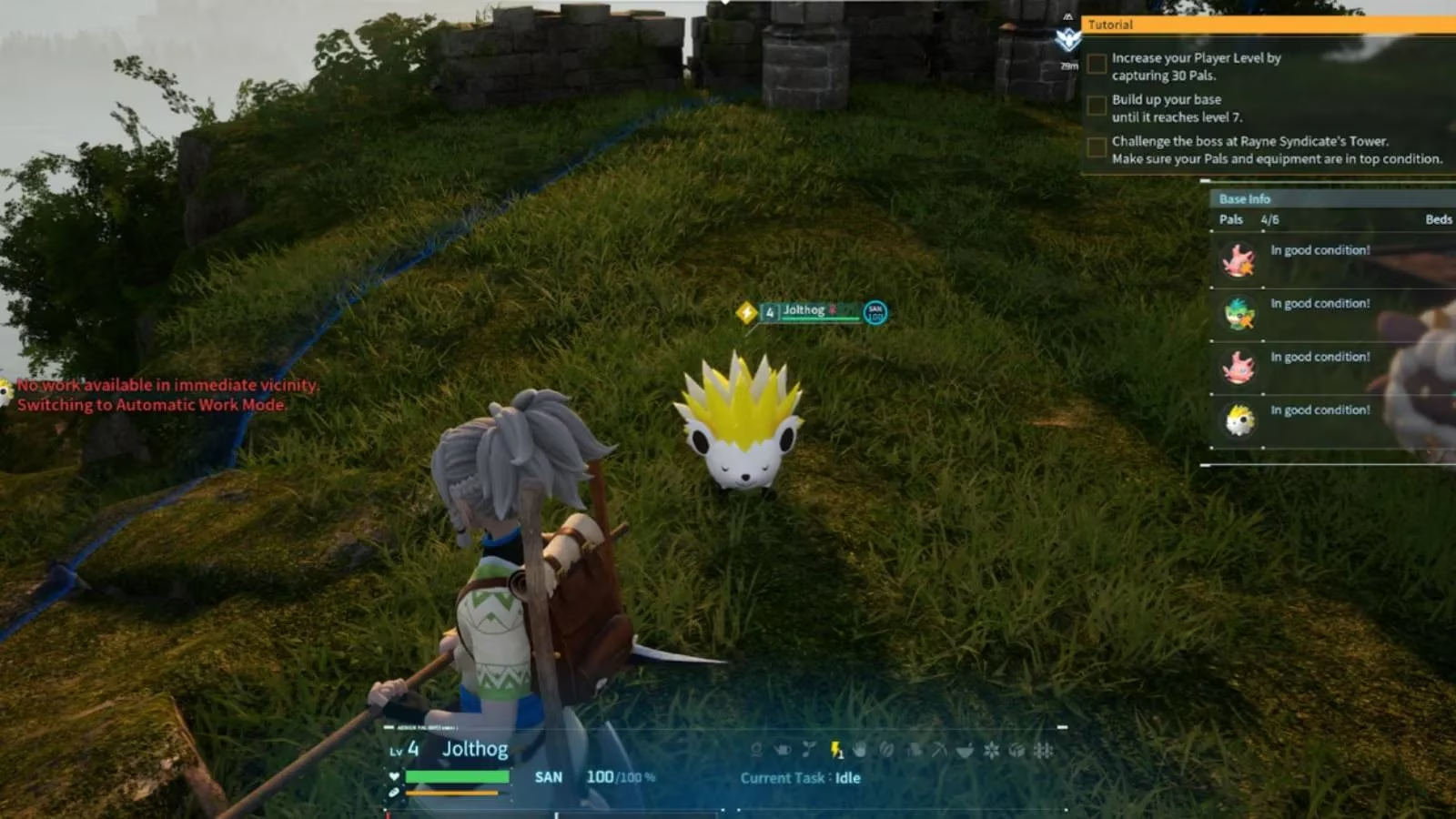
Mara quickly learned that every Pal arrives with a randomized set of these traits when captured. Wild-caught Pals are a lucky draw; you do not know whether you have pulled a gem or a dud until the catch is complete. That means keeping your eyes peeled and being ready to hunt a lot. For a collector, it is part RNG, part patience, and part stubborn refusal to settle. Her first catch had a trait that looked harmless until she noticed it was quietly dragging down defense. Bummer. Her second catch? Jackpot—Runner, a Passive Skill that boosts movement speed, making her new buddy zip around like it had somewhere important to be.
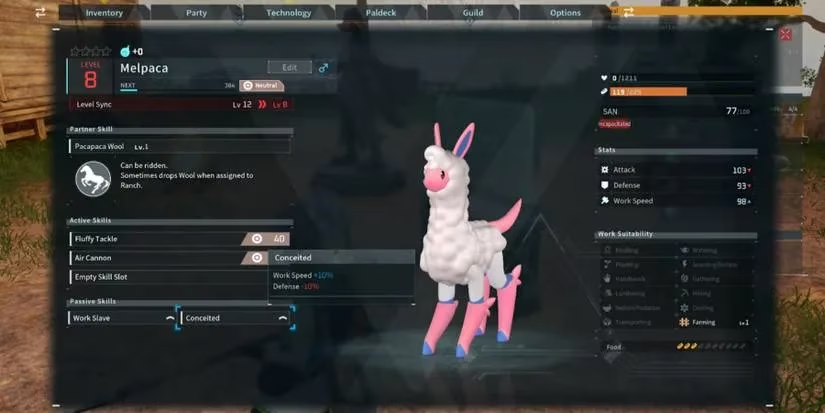
The UI lesson came fast. To see what a new buddy brings to the table, open the inventory and head to the Party tab. There, Palworld lays out all the active, companion, and passive Skills a Pal has. Passive Skills are the ones that deserve a second look. Each has a unique name that may hint at its effect, but the names can be sneaky. Runner is obvious enough. Hooligan is a head-scratcher: it increases damage but reduces work speed. In other words, it is a trade-off, not a free lunch. Mara learned to read every line before assigning a Pal to base chores or taking it into a fight. A combat beast that cannot craft is still useful—but only if you know what you are getting.
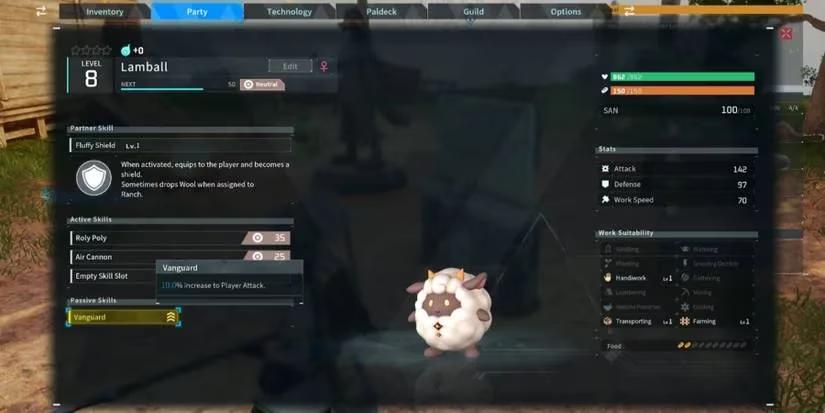
Then came the tier talk. All Passive Skills in Palworld are divided into three tiers. The higher the tier, the greater the bonus—and the same rule applies to debuffs. That is why a high-tier negative trait can sting like a bee. Brittle, for example, significantly reduces defense. Mara winced when she saw it on one of her main Pals; she had been treating the creature like a tank, but the trait had turned it into a glass cannon with a crack down the middle. From that point on, she stopped treating Passive Skills as minor flavor text. They were stat modifiers with teeth.
She built a simple mental checklist:
-
🧐 Read every Passive Skill on a fresh catch before celebrating.
-
⚖️ Weigh buffs against debuffs; a damage boost may cost work speed.
-
🛡️ Watch for defensive penalties like Brittle on Pals meant to hold the line.
-
🏃 Value movement traits like Runner for exploration and kiting.
-
🔁 Breed for better traits instead of praying to the RNG gods forever.
That last point became her long game. Wild-caught Pals have random Passive Skills, which makes building a perfect party feel like chasing a mirage. But Palworld does offer a back door: breeding. By pairing Pals and hatching their offspring, a trainer can steer which Passive Skills the child inherits. It is not a magic button. The process is complicated, and it demands a serious grind—time, attempts, and more than a little patience. Mara filled her base with breeding pens and became a matchmaker with a spreadsheet. Some attempts were busts. Some were close. Every so often, the right traits lined up, and she felt like she had cracked a safe.
By 2026, the lesson still holds: Passive Skills may look like minor buffs and debuffs, but they can significantly weaken a Pal if luck is not on your side. They can also turn an ordinary catch into a star. Mara's advice to new trainers is simple—pay attention every time you catch a new Pal. Do not assume the creature is finished just because the ball clicked. Check the Party tab, read the traits, respect the tiers, and remember that breeding is the long road to a dream team. In Palworld, the difference between a good Pal and a great one is often hidden in the fine print. And that, as any veteran will tell you, is no small potatoes.
Comments